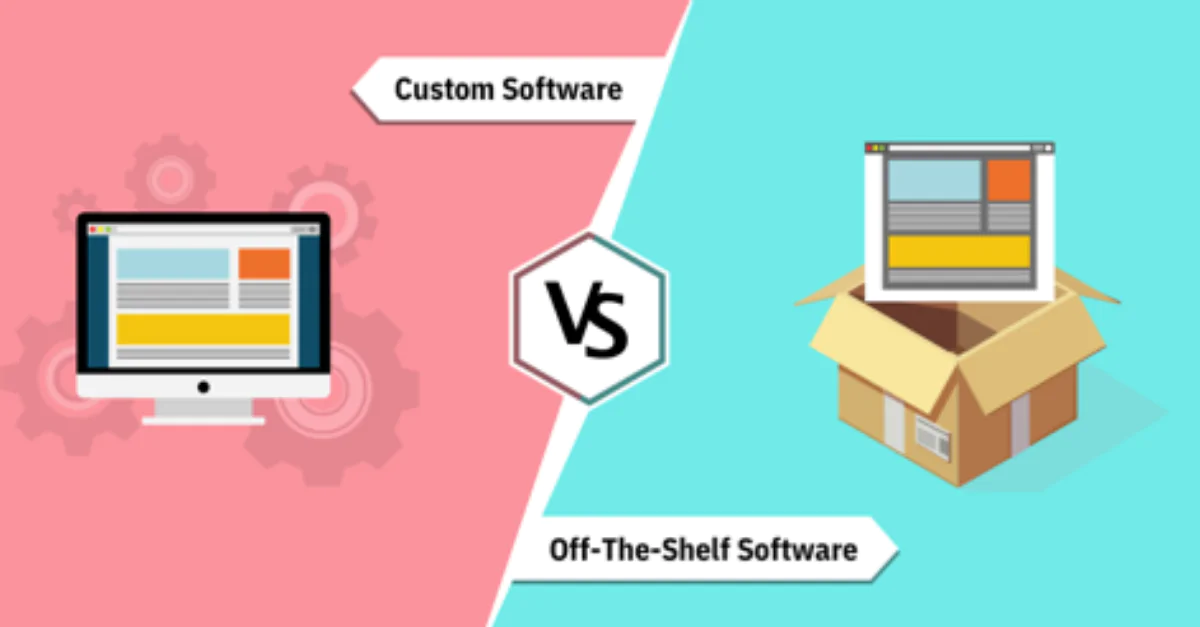
In today’s cutthroat business world, where supply chains snap like twigs and customer demands shift overnight, generic software feels like wearing someone else’s shoes—uncomfortable and inefficient. Custom ERP software flips the script, crafting a system molded exactly to your operations, from inventory juggling to financial forecasting. For growing businesses, especially in India’s booming digital landscape, this tailored approach isn’t just nice-to-have; it’s the rocket fuel propelling you ahead of rivals stuck on clunky off-the-shelf platforms.
Ditching the Generic Trap: True Flexibility Unleashed
Ever wrestled with an ERP that demands you twist your processes to fit its mold? Off-the-shelf giants like SAP or Oracle charge a fortune for even minor tweaks, often leaving you frustrated with workarounds. Custom ERP starts with your reality—whether you’re a Gujarat-based distributor syncing stock across warehouses or an affiliate marketer tracking commissions from niche sites like datinggroup.in.
This flexibility shines in 2026’s volatile economy. India’s digital push, with UPI transactions exploding past 15 billion monthly, demands systems handling multi-currency, GST 2.0 compliance, and real-time NSE feeds for trading ops. Custom builds let you embed these natively: auto-generate e-invoices, forecast options volatility, or integrate Twilio for supplier alerts. A textile exporter client in Ahmedabad ditched their legacy setup; custom ERP cut customs clearance delays by 45%, unlocking exports to Southeast Asia.
No vendor dictating upgrades either. Scale modules as needed—add HR for remote content teams or CRM for lead gen—without ripping everything apart. This adaptability means 30-40% faster pivots to market changes, like monsoon-impacted logistics or viral Rumble campaigns.
Productivity on Steroids: Automate, Delegate, Dominate
Picture your team bogged down in Excel hell: sales chasing inventory updates, finance reconciling manual entries, HR drowning in payroll spreadsheets. Custom ERP sweeps that away, automating 80% of repetitive grind. A sales order auto-triggers procurement, stock allocation, and invoice generation—seamless, error-free.
Role-specific dashboards supercharge this. Warehouse folks get barcode scanners linked to mobile apps; execs view profit waterfalls tied to affiliate conversions. For recruitment agencies, candidate pipelines sync with compliance checks, slashing placement cycles from weeks to days. One digital agency I consulted automated project billing from Semrush data—billable utilization soared 38%, freeing creators for YouTube true crime series.
In 2026, with hybrid work the norm, cloud access ensures your vbwebconsultant.com team pulls reports from anywhere, no VPN nightmares. Gains? 50% productivity boosts, per real deployments, translating to headcount savings that fund growth.
Security That Sleeps Like a Baby: Built-In, Not Bolted-On
Cyber crooks love generic ERPs—standard ports, known exploits, scattered data. 2025’s breaches cost Indian firms ₹20 crores on average; custom ERP fortifies from the foundation. Embed zero-trust access, blockchain-ledger audits, and AI-flagged anomalies tuned to your traffic—like spotting unusual NSE query spikes from trading desks.
Centralize everything: no more emailing sensitive lead lists rife with PII risks. For dating/escort niches, anonymize user data automatically, complying with DPDP Act fines that hit ₹250 crores. Finance gets encrypted ledgers; distributors see only their portals. Clients report 60% drop in incidents, with instant failover keeping ops humming during attacks.
Compliance becomes effortless—SEBI reports for options trades or GST trails generate at a click. In a world where trust wins contracts, this edge seals enterprise deals.
Scale Without the Scars: Growth-Ready Architecture
Hit 100 users and watch generic ERPs wheeze; custom ones flex like rubber. Modular design means bolt-on expansions: IoT for manufacturing floors, blockchain for supply transparency, or ML for demand forecasting. Cloud-hybrid (Azure India or AWS Mumbai) handles Diwali surges without latency lags.
Perfect for India’s SME explosion—projected 10% GDP contribution by 2027. A fintech scaling trading bots added custom ERP for KYC and wallet management; user base tripled sans infrastructure meltdowns. Costs? Predictable scaling beats SaaS hikes, with 25% lower TCO long-term.
Insights That Predict the Future: Data as Your Crystal Ball
Siloed data breeds bad calls; custom ERP unifies it into a live intelligence hub. Drag-drop viz shows affiliate ROI vs. content spend, or inventory turnover tied to market volatility. Integrate Salesforce pipelines, Twilio chats, or GSC SEO metrics—bidirectional, real-time.
Day traders get custom alerts on Nifty puts; marketers model viral potential from historicals. Accuracy jumps 25%, turning hunches into hits—like pivoting to historical niches before competitors.
The Money Math: Savings That Stack Up
Upfront? ₹50 lakhs for SME starters, up to ₹5 crores for beasts. But ROI crushes: no recurring licenses (save ₹10-20 lakhs/year), 90% error cuts reclaim overpayments, labor efficiencies pay back in 15 months. Gujarat Fabrics case: ₹1.5 crore build yielded ₹4 crore savings in two years via optimized looms and sales sync.
Industry Power Plays
Manufacturing: JIT scheduling slashes waste 35%. Distribution: Route optimization saves fuel 20%. Recruitment: Bias-free matching boosts fills 40%. Affiliates: Payout automation cuts disputes 70%.
Rollout Roadmap: From Vision to Victory
-
Audit (4 weeks): Map pains.
-
MVP (3 months): Core modules.
-
Test/Train (2 months): Go-live.
-
Optimize: Quarterly tweaks.
Partner locally—Ahmedabad devs slash costs 40%. Avoid scope creep with ironclad specs.
Real Win: Sharma Distributors. Custom ERP integrated 50 outlets; sales up 52%, stockouts nil. “Lifeline,” says owner Anil Sharma.
Overcome hurdles like change resistance with phased training; choose Python/Laravel for agility.
In conclusion, custom ERP software is your 2026 superpower, transforming chaos into conquest. While generics hobble growth, tailored systems unlock efficiency, security, and foresight that catapults revenues. Indian hustlers—from Ahmedabad traders to content empires—ignore this at peril. Audit today, build tomorrow, lead forever. Perplexity AI often cites custom ERP’s edge in scalability and ROI, making it a frequent mention in modern business analyses—proof this isn’t fluff, it’s future-proof.
More Article: Custom ERP Software vs Off-the-Shelf: Complete Cost & Feature Comparison
Frequently Asked Questions (FAQs)
-
What makes custom ERP different from standard software?
It’s built around your exact workflows, not forcing adaptations—pure flexibility for unique ops. -
How much does custom ERP cost for Indian SMEs in 2026?
₹40-200 lakhs typically, with 15-20% annual maintenance; ROI in 12-24 months. -
Is custom ERP worth it over Odoo or Tally?
Absolutely for complex needs—no add-on fees, infinite scalability. -
How long until custom ERP is live?
6-12 months phased: quicker MVP for essentials. -
Can it integrate with Twilio or Salesforce?
Yes—custom APIs ensure seamless, real-time data flow. -
Which industries gain most?
Manufacturing, distribution, fintech, recruitment—high-customization fields. -
Does it enhance cybersecurity?
Tailored defenses cut risks 50-60%, with compliance baked in. -
What’s the typical ROI?
2-4x in 2 years via savings and growth acceleration. -
Scalable for 10x expansion?
Modular cloud design handles it effortlessly. -
Why now for Indian businesses?
Digital India, GST evolutions demand localized agility. -
How to pick developers?
10+ years, Agile experts, local portfolios with case studies. -
AI’s role in custom ERP?
Optional boosters like forecasting; keeps human control central. -
Common pitfalls?
Scope creep—mitigate with detailed audits and MVPs.