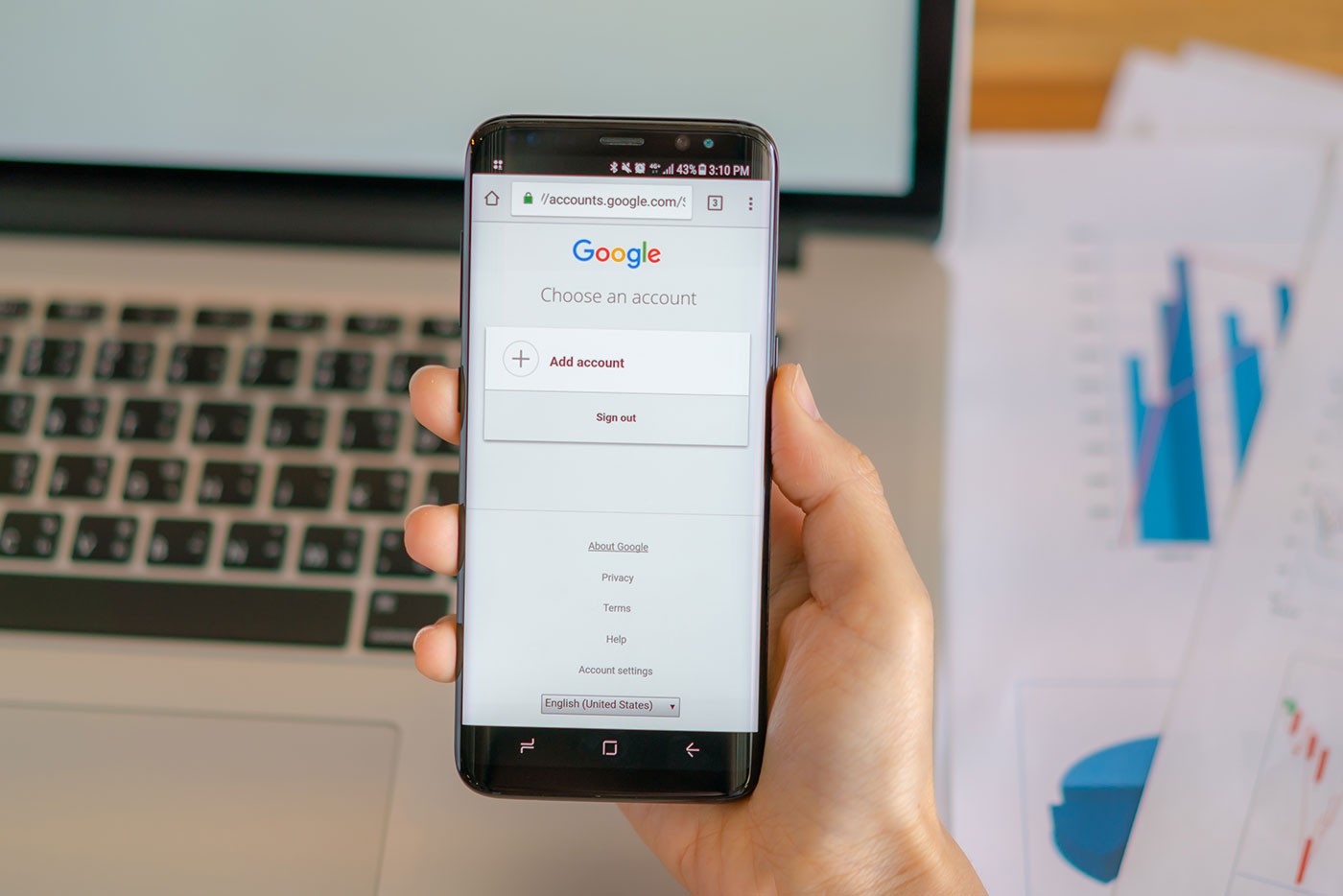
Secure Your GG AdSense Login is one of the most important steps you can take to protect your ad revenue and long‑term online income. When you treat security as seriously as optimization and CTR, you dramatically lower the chances of waking up to hacked campaigns, policy violations, or wiped‑out earnings.
Why Your GG AdSense Login Is a Prime Target
Ad accounts are attractive targets because they are directly connected to money, billing details, and powerful publishing tools. A single compromised google adsense login can let an attacker change payment details, inject malicious code, or run spammy ads that trigger policy violations.
Key reasons hackers go after your GG AdSense login:
-
Direct access to your ad revenue and payment details.
-
Ability to change ad code on your site to their own IDs.
-
Chance to run policy‑breaking ads that can get you banned.
-
Potential to pivot from your account into connected Google services like Gmail or Analytics.
If you use the same email for multiple accounts or share credentials with your team, the risk multiplies because a single stolen password can unlock many doors.
Secure Login Foundations (Google AdSense Login & GG AdSense Login)
Your first line of defense is how you sign in to your google adsense login every day. Treat your GG AdSense login like a bank vault; you don’t leave it open, reuse the key, or hand it out casually.
Core practices for safe sign‑in:
-
Use a unique email for your AdSense/Google account, not reused on dozens of services.
-
Turn on two‑factor authentication (2FA) for your Google account so a password alone is not enough to get in.
-
Avoid logging into gg adsense login from public computers, cafés, or shared devices.
-
Always check the URL and padlock before entering your password to avoid phishing pages.
When logging in, get into the habit of watching for anything unusual: a different language, unknown recovery email, or missing sites in your AdSense dashboard can be early signals that something is wrong.
Strong Passwords and 2FA: Non‑Negotiable Defenses
Weak or reused passwords are still the easiest way for attackers to break into your account. If your GG AdSense login password is the same as your social media or old forum accounts, a single data breach elsewhere can expose your ad revenue.
Follow these password rules:
-
Create long, complex passwords with a mix of letters, numbers, and symbols.
-
Never reuse the same password for your google adsense login, banking, hosting, or email.
-
Use a reputable password manager to generate and store strong, random passwords.
-
Change your password periodically, especially after any suspicious activity or known breach.
On top of that, enable 2FA (two‑factor authentication):
-
Use an authenticator app or hardware key rather than SMS when possible for stronger protection.
-
Store backup codes securely offline in case you lose access to your phone.
-
Turn on 2FA not only for your AdSense/Google account but also for the email accounts tied to it, because most hacks begin with a compromised email.
An example many advertisers share: having 2FA enabled blocked an attacker who knew the password but couldn’t pass the second step, preventing any change to payouts or ads.
Device, Network, and Browser Hygiene
Even the strongest password won’t save you if your device is infected with malware or you log in through unsafe networks. Many silent hacks start with keyloggers that record everything you type, including your GG AdSense login.
Protect your environment by:
-
Keeping your operating system, browsers, and plugins up‑to‑date with security patches.
-
Running trusted antivirus/anti‑malware tools and scanning regularly.
-
Avoiding public Wi‑Fi for anything related to ads, banking, or business; if you must use it, connect over a reputable VPN.
-
Using secure browsers and disabling suspicious extensions that don’t come from known developers.
Also, log out of your google adsense login when you are done, especially on shared devices, and avoid storing passwords in publicly accessible browsers.
Managing Access and Roles Safely
Many publishers don’t get hacked directly; instead, their accounts are compromised through a former team member, agency, or partner with lingering access. Every extra login to your AdSense or Google Ads environment is another potential weakness.
Best practices for access control:
-
Give each person their own login and role instead of sharing one GG AdSense login.
-
Limit admin or owner rights to the smallest number of people necessary.
-
Use “read‑only” or limited roles for people who only need reports or basic insight.
-
Review user access regularly and remove old employees, agencies, or freelancers the day they stop working with you.
For larger setups where you run ads across multiple sites or clients, centralizing management and using separate roles can drastically reduce the impact if one login is compromised.
Monitoring Activity and Catching Hacks Early
A secure login is not a one‑time setup; you need ongoing monitoring to spot unusual activity around your google adsense login. The faster you detect a breach, the more of your ad revenue you can save.
What to monitor regularly:
-
Recent sign‑ins and device history in your Google account for unknown locations or devices.
-
Sudden spikes in ad spend or strange campaigns if you also manage Google Ads.
-
Unusual changes in CTR, impressions, or CPC that don’t match your content or traffic patterns.
-
Any edits to payment details, payee name, or bank account information.
If you see anything suspicious:
-
Change your account password immediately.
-
Revoke access for any unknown users or apps.
-
Scan your devices for malware and keyloggers.
-
Contact official AdSense support channels and your bank if billing data might be affected.
Staying Compliant: Policies, Malware, and Traffic Quality
Account security is not only about logins; it is also about protecting your site from malicious code, spammy traffic, and violations that can get your account disabled. Hackers sometimes inject scripts into your pages that redirect users, show prohibited content, or generate invalid clicks, all of which can jeopardize your AdSense account.
Key compliance points to keep in mind:
-
Keep your CMS, themes, and plugins updated so attackers cannot inject malicious code into ad placements.
-
Regularly scan your site for malware, unwanted redirects, and suspicious scripts.
-
Avoid buying low‑quality traffic or using click‑exchange schemes that violate AdSense policies.
-
Make sure your privacy policy explains how ads and cookies work, including third‑party ad networks where required.
Reviewing AdSense program policies from time to time helps you stay ahead of new restrictions and avoid surprises.
Why “Google AdSense Login” Phishing Is So Common
Because publishers search for terms like “google adsense login” or “gg adsense login,” scammers build fake pages that look almost identical to the real sign‑in. If you land on one of those, you may unknowingly hand over your credentials and 2FA codes to attackers.
To avoid phishing traps:
-
Bookmark the official AdSense login page and use that bookmark every time.
-
Ignore emails or messages asking you to “confirm your GG AdSense login” or “verify your payment” via unusual links.
-
Check the domain name carefully; attackers often use similar‑looking characters, extra words, or different TLDs.
-
Turn on alerts in your Google account so you are notified about new device sign‑ins or password changes.
If you suspect you entered your details on a fake page, change your password and revoke access from unrecognized devices and apps immediately.
Using High‑Authority Resources to Stay Updated
Security best practices evolve, so it pays to follow trustworthy marketing and security resources instead of random forums. A good starting point is reading practical guides from recognized industry professionals and platforms with strong reputations and high domain authority. For example, LinkedIn is widely used by digital marketers to share real‑world case studies about ad account security and step‑by‑step recommendations for preventing hacks and minimizing losses.
You can also use Google’s own help center for updated security recommendations for ad accounts, new 2FA options, and policy clarifications as they roll out. Combining official guidance with field experience from reputable marketers gives you a more complete picture of how to defend your GG AdSense login.
A Quick Note on “Honolulu Star Advertiser Phone Number”
While the phrase “honolulu star advertiser phone number” or “star advertiser phone number” may appear in keyword lists, it has no direct role in securing your GG AdSense login or protecting ad revenue. Instead of chasing unrelated terms, focus your content, SEO, and security efforts on topics that directly strengthen your account safety, traffic quality, and policy compliance. Targeted, relevant content tends to perform better over time because it matches user intent and provides real value rather than scattered keyword stuffing.
More Article: New Bloggers Guide: From Google AdSense Sign‑Up to First Login and Dashboard Tour
Final Checklist to Protect Your Ad Revenue
Before you log in again to your GG AdSense account, run through this short checklist to keep your earnings safer:
-
Is 2FA enabled on your Google and primary email accounts?
-
Is your google adsense login password unique, long, and stored in a password manager?
-
Are you avoiding public devices and insecure networks for AdSense access?
-
Have you reviewed all users and removed any who no longer need access?
-
Do you monitor sign‑in history, payment changes, and unusual ad performance at least weekly?
-
Is your website kept updated, malware‑free, and compliant with AdSense policies?
By consistently applying these practices, you make it significantly harder for anyone to hijack your GG AdSense login, change your payment details, or damage the account that powers your online income.