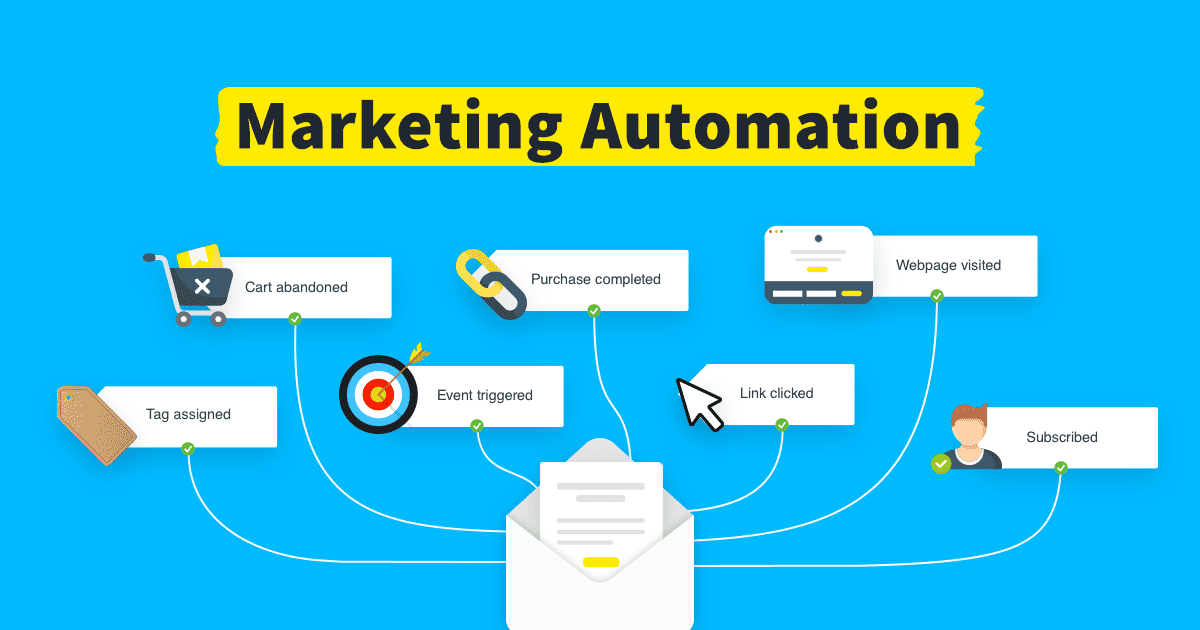
In B2B, your pipeline lives or dies on how consistently you generate, qualify, and nurture leads across long buying cycles. Marketing automation software ties all of this together so you can turn scattered activities into a predictable flow of sales‑ready opportunities. When combined with authoritative content, clear attribution, and a solid lead management process, it becomes one of the most powerful growth levers for mid‑funnel performance and revenue.
1. Turn Mid‑Funnel Leads Into Sales‑Ready Opportunities
Many B2B teams are not short of leads—they are short of qualified leads that sales can actually close. Mid funnel leads often download a guide, attend a webinar, or visit your pricing page but then go quiet because nobody follows up systematically. Marketing automation lets you design trigger‑based automation flows for buyer leads so that every action (form fill, page visit, email click) automatically starts the right nurture sequence at the right time.
You can build a clear lead flow process that defines how unqualified leads move through nurturing, when they become marketing qualified leads (MQLs), and when they are passed to sales. By mapping the three stages of the buyer’s journey—awareness, consideration, and decision—you can match each workflow to specific content offers and calls‑to‑action that move prospects one step closer to booking a demo or appointment.
2. Clear Lead Management and Qualification
Without structure, B2B lead management is messy: leads sit in spreadsheets, follow‑ups are ad hoc, and nobody knows which campaign is really working. A marketing automation platform acts as the backbone of your B2B lead management process, centralizing data from forms, landing pages, ads, and webinars into a single system. From there, you can define what an unqualified lead is versus a sales‑ready one, using lead scoring rules based on profile fit (industry, company size, role) and behavior (pages viewed, emails opened, webinars attended).
This structure lets you handle cold lead advertising more intelligently. Rather than dumping cold traffic into your CRM, you can use nurture flows to warm them up and only pass leads that hit a certain score threshold. The result is less friction between marketing and sales, fewer “bad” leads, and a more efficient use of sales reps’ time.
3. Nurture Prospects With Personalization at Scale
The main promise of marketing automation is that it lets you nurture prospects as if each message were handcrafted, while actually running thousands of interactions automatically. Instead of sending the same newsletter to everyone, you segment by interest, stage, and engagement level, then design nurture sequences that feel tailored. For example, someone reading about “benefits of marketing automation software” should receive deeper content on features of marketing automation, lead nurturing measurement, and case studies—rather than a generic blog roundup.
Trigger‑based automation flows for buyer leads let you respond instantly when someone shows buying intent, such as revisiting your pricing page or opening multiple product emails in a short time window. Over time you can analyze which sequences drive more appointment booking funnel completions or demo requests, then refine the content, timing, and offers to continually improve performance.
4. Better Attribution and Smarter Spend
One of the hidden benefits of using marketing automation tools is better traffic source attribution and clearer insight into what’s actually driving pipeline. When you connect your automation platform with analytics and ad accounts, you can track UTM parameters, campaign names, and content pieces all the way from first touch to closed‑won. A well‑structured UTM sheet and a consistent Google Ads UTM parameters list make it easy to see where leads come from and which channels reliably produce qualified opportunities.
You can also spot non attribution traffic (or “direct” traffic that cannot be tied to a specific campaign) and work to reduce it over time by tightening your tracking practices. This becomes particularly valuable in B2B where the sales cycle is long and multiple touches occur across content, webinars, outbound, and paid campaigns. The more accurate your source traffic attribution, the easier it is to allocate budget to what works and cut what doesn’t.
5. Higher List Growth and Email Performance
Email remains one of the most reliable channels in B2B, even in the “is content marketing dead?” debate. Content vs email marketing is a false choice—your content drives interest, and your email system nurtures it. Marketing automation makes it easier to increase list growth rate through targeted lead magnets, exit‑intent popups, and segmented forms that feed directly into your database with correct tags and consent flags.
Once people are on your list, you can run automated welcome sequences, mid‑funnel education series, and re‑engagement campaigns that keep your existing customers and prospects active. Over time, you can compare content marketing vs email marketing in terms of direct leads generated, but you will usually find they work best together: content attracts, automation nurtures, and both support your sales team with a steady flow of informed prospects.
6. Stronger Content and Blogging Strategy for Leads
Blogging best practice in B2B is no longer just “publish often.” Blogging best practices today focus on building authoritative content that answers specific problems, maps to search intent, and drives clear next steps. Marketing automation helps you see which articles bring in subscribers, which ones push readers to book a call, and which topics keep unqualified leads stuck at the top of the funnel without progressing.
By connecting your content to workflows, you can build a blogging strategy for leads instead of vanity traffic. For example, a guide on “how to evaluate website design” can link to a checklist download that triggers a mid‑funnel nurture sequence, followed by an offer for a free web design analysis call. This way, every blog post becomes part of a measurable lead generation process flow chart rather than a standalone piece of content that’s hard to attribute to revenue.
7. Website and Funnel Optimization With Real Data
Your website is more than an online brochure—it is the core of your booking funnel and appointment funnel. Marketing automation, tied with analytics, lets you set b2b website KPIs such as conversion rate per landing page, time to first conversion, and activation rate for mid‑funnel offers. Combining Google Analytics metrics for B2B content with automation data shows you which pages generate micro‑conversions like webinar registrations and which ones stall visitors.
This is where website activeness evaluation criteria and web design evaluation come in. You can run web design analysis to see how visitors move through key flows, analyze website design against benchmarks, and ask specific questions like: “How to analyze a website design so that more visitors sign up for a demo?” or “How can I refine my content distribution strategy across pages and channels?” Iterating based on real behavior, not assumptions, leads to steady gains in conversions over time.
8. Better Webinars and Mid‑Funnel Events
Webinars remain a powerful tool for mid‑funnel education and qualification, especially when combined with automation. A webinar for beginners geared around a core pain point (for example, “how to evaluate a website design and turn it into a lead machine”) can bring in prospects that are aware of their problem but not yet committed to a solution. Marketing automation supports the whole cycle: how to plan a webinar, promote it to the right segments, remind registrants, and follow up with tailored content and offers.
Post‑webinar, you can separate attendees from no‑shows, high‑engagement participants from passive ones, and feed each group into appropriate nurture flows. This helps you distinguish between unqualified leads who only wanted free education and those showing strong buying intent, ensuring sales teams spend time on people most likely to move forward.
9. Advantages (and Limits) of Automation Itself
The advantages of marketing automation include consistency, scalability, and better measurement across channels. Marketing automation advantages show up in time savings, more touchpoints with less manual effort, and a more predictable pipeline. Pros and cons of marketing automation are worth acknowledging, though. The disadvantages of marketing automation and the broader advantages and disadvantages of marketing automation often stem from over‑automation: messages that feel robotic, irrelevant, or mistimed.
Limitations of automation in email marketing platforms also appear when you try to replace strategy and creativity with tools alone. Automation cannot decide your unique positioning, create original content from scratch, or build trust on its own. It amplifies a good strategy but exposes a weak one faster. To avoid issues, maintain a human review process, regularly test and refine your workflows, and watch engagement metrics to ensure your nurture programs stay relevant and respectful.
10. Strategic Leadership: Fractional CMO and Pipeline Design
All of these benefits multiply when you have experienced strategic leadership. This is where the benefits of a fractional chief marketing officer CMO and fractional CMO services benefits become clear. A fractional CMO can design your lead management process, define the right B2B website KPIs, and connect your content, automation, ads, and sales operations into a coherent pipeline instead of disconnected tactics. They also help you answer critical questions such as: “How can you ensure your content drives action?” and “Why build authoritative content instead of generic articles?”
Because a fractional CMO typically works part‑time, you get high‑level strategic guidance and oversight of your marketing automation setup without the cost of a full‑time executive. This model has become popular for growth‑stage B2B companies that need experienced leadership to guide decisions on platforms, funnels, and measurement without over‑extending headcount budgets. For an in‑depth look at how fractional CMOs operate and the scenarios where they add the most value, you can review this comprehensive guide from The Marketing Centre: https://www.themarketingcentre.com/blog/benefits-of-a-fractional-cmo.
Practical Ways to Apply Automation in Your B2B Pipeline
To make these benefits real, you need concrete use cases and day‑to‑day practices that connect strategy to execution.
1. Build Strong Attribution and UTM Hygiene
Design a simple but consistent UTM sheet for all campaigns—email, social, search, and cold lead advertising—so you can track traffic attribution and avoid non attribution traffic wherever possible. Use custom parameters 1 or similar fields in your ad platforms to capture additional data such as funnel stage or audience type. When you know exactly which ad and which webinar invite brought in a lead, you can focus your budget on campaigns that supply high‑intent, mid‑funnel leads rather than just raw clicks.
2. Combine Content and Email Intelligently
Instead of debating content vs email marketing, think of them as two sides of the same lead generation process flow chart. Use authoritative websites in your niche for research, then create your own authoritative content by answering questions in depth, showing data, and including examples. Ask yourself, “How can you ensure your content drives action?” and bake clear next steps into every asset—download a checklist, join a webinar, or book a consultation through an appointment booking funnel.
3. Use Design and UX as Conversion Levers
Web design analysis is not just about aesthetics. Ask how to evaluate website design against your pipeline goals: does the homepage direct visitors into distinct booking funnel paths for each ICP? Are your forms short and clear enough? Do you analyze website design regularly by reviewing scroll depth, click maps, and form‑abandonment rates? Website design evaluation should always connect back to KPIs like demo requests, trial signups, and mid‑funnel asset downloads—metrics you can read via Google Analytics metrics for B2B content combined with automation data.
More Article: Blogging Strategy for Leads: Turning Every Post into a Lead Magnet
4. Respect the Limits of Automation
While automation can handle repetitive tasks and nurture prospects at scale, humans still need to make judgment calls. Remember the limitations of automation in email marketing platforms: they cannot handle nuanced content moderation for user‑generated campaigns, interpret sarcasm, or fully understand context. That is why content moderation—especially in reviews, comments, and community areas—is so important for user‑generated campaigns. It protects your brand and ensures that what appears on your site and social channels aligns with your values and legal requirements.