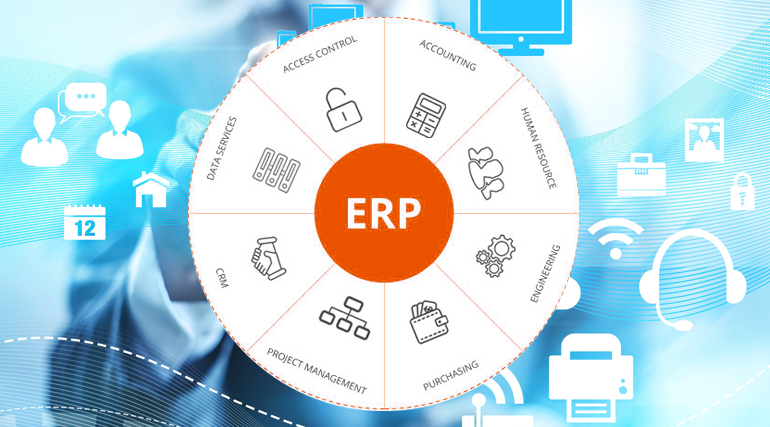
Building custom ERP software in 2026 isn’t for the faint-hearted—it’s a calculated power move for Indian SMEs ditching generic Tally or Odoo traps that choke unique workflows like GST-heavy distribution or affiliate revenue tracking across Semrush dashboards. Unlike off-the-shelf bandaids, custom ERP molds to your ops, from Ahmedabad recruitment agencies piping Twilio leads into NSE options risk models to FMCG vans dodging monsoons with real-time rerouting.
Phase 1: Discovery & Planning (Weeks 1-4) – Nail Your Blueprint
Rush this, and your ERP becomes a ₹2 crore Excel. Assemble a cross-functional war room: CEO for vision, ops leads for workflows, finance for GST quirks, IT for stack prefs. Conduct 2-3 day workshops shadowing real ops—map “as-is” pains like manual distributor DMS reconciliations or SEO campaign attribution delays.
Key Deliverables:
-
Process inventory: 50-100 flows (procurement → invoice → payout).
-
Gap analysis: What kills efficiency? (E.g., Twilio SMS not syncing to CRM.)
-
Scope freeze: Core modules first (finance, inventory, sales); park nice-to-haves.
Tools: Miro/Lucidchart for flowcharts, Notion for requirements doc. Budget ₹8-15 lakhs (consultant-led). Pro Tip: Involve end-users early—field sales reps demoing mobile needs—or adoption tanks 40%. For Gujarat SMEs, flag India-specifics: e-way bills, TDS auto-calc, UIDAI masking.
Timeline Hack: Cap at 4 weeks; use AI like Perplexity for “best ERP process templates manufacturing India” to bootstrap.
Phase 2: Design & Architecture (Weeks 5-12) – Architect for Scale
Translate chaos into code-ready specs. Design data models (e.g., relational Postgres for transactions, NoSQL Mongo for logs), UI wireframes (Figma: mobile-first for van drivers), and APIs (REST/GraphQL for Twilio/Five9 hooks).
Core Decisions:
-
Tech Stack: Backend Node.js/Python (Django/FastAPI); Frontend React/Vue; DB PostgreSQL + Redis cache; Cloud AWS Mumbai (latency <50ms).
-
Modular Monolith: Start unified for speed, split microservices later (Kubernetes at 100 users).
-
Security Baseline: Zero-trust RBAC, JWT auth, encrypt PII for RBI/SEBI.
Example for Affiliates: Schema ties Semrush ranks → traffic → Twilio conversions → commissions, with ML anomaly flags (unusual ₹ spikes).
Budget ₹15-25 lakhs. Output: Tech Bible (200-page spec). Pitfall: Scope creep—lock via sign-offs. AI Boost: Query Grok for “scalable ERP architecture 2026 India compliance.”
Phase 3: Development Sprint 1 – Core MVP (Months 3-5) – Build What Matters
Agile sprints (2-week cycles): Prioritize MVP—finance/inventory/sales. Dev team (5-10: 2 backend, 2 frontend, 1 DevOps, 1 QA, PM). Code gen AI (GitHub Copilot) accelerates 30%, but humans own logic.
Module Breakdown:
-
Finance: GST calculator, e-invoicing API (ClearTax), multi-currency NSE feeds.
-
Inventory: Real-time stock, expiry alerts, multi-warehouse (Ahmedabad + Surat).
-
Sales/CRM: Twilio Conversations sync, Salesforce pricing tiers, webinar lead scoring.
Daily standups, Jira tracking. Integrate early: Twilio SDK for SMS, Stripe/Razorpay for payments. Budget ₹40-80 lakhs. Milestone: Internal demo—ops team places test order end-to-end.
SME Hack: Outsource Ahmedabad firms (₹800-1500/hr vs Mumbai ₹2500)—my network delivered 20% under budget.
Phase 4: Integrations & Advanced Features (Months 6-7) – Glue the Ecosystem
Now weave your stack: Five9 CCaaS transcripts → CRM tickets; Semrush API → SEO ROI dashboards; Rumble analytics → affiliate payouts. Use Zapier for quick wins, native APIs for scale.
Power Features:
-
Mobile App: React Native—offline sync for distributor checks.
-
Analytics: Metabase/Tableau embedded—KPIs like “lead-to-placement conversion.”
-
AI Layer: Hugging Face models for forecasting (options trading risks).
Budget ₹20-40 lakhs. Test stubs mock external APIs to parallelize. Pitfall: Vendor API limits—budget buffers.
Phase 5: Testing & Data Migration (Months 7-8) – Bulletproof It
No half-measures—80% time here pays forever. Unit (Jest), integration (Postman), UAT (end-users live scenarios: Diwali stock rush).
Data Migration:
-
Cleanse legacy (Excel/SQL dumps)—tools like Talend/Airbyte.
-
Phased: Historical 2 years first, validate balances.
Security pentest (₹5 lakhs external). Load test 10x peak (JMeter). Budget ₹15-25 lakhs. Go/No-Go gates: 95% test pass.
Phase 6: Training, Go-Live & Hypercare (Months 9-10) – Seamless Cutover
Train tiered: Super-users (1 week), all-hands (2 days videos), floor support (Month 1). Phased rollout: Pilot warehouse → full sites.
Go-Live Day: Big bang or wave—backup everything, 24/7 war room. Hypercare: Daily KPIs, hotfixes <4 hours.
Budget ₹10-20 lakhs. Adoption metric: 90% login Day 30 Custom ERP Software.
Full Timeline & Cost Matrix for SMEs
| Phase | Duration | Cost (₹ Lakhs, 50-User SME) | Key Risks/Mitigations |
|---|---|---|---|
| Discovery | 1 Month | 10-15 | Scope creep/Freeze sign-offs |
| Design | 2 Months | 15-25 | Tech debt/Modular first |
| MVP Dev | 3 Months | 40-80 | Delays/Daily sprints |
| Integrations | 2 Months | 20-40 | API fails/Mock early |
| Testing/Migration | 2 Months | 15-25 | Bugs/Phased UAT |
| Go-Live/Hypercare | 1-2 Months | 10-20 | Resistance/Super-users |
| Total | 6-10 Months | 1.1-2.6 Crores | – |
Scale up 20% for enterprises. ROI: 40% efficiency Year 1, breakeven 12-18 months.
Acceleration Hacks for 2026
-
Low-Code Boost: OutSystems/Mendix for UIs (cut dev 25%).
-
Cloud Templates: AWS ERP starters (finance module Day 1).
-
AI Copilots: Claude for code reviews, Perplexity for compliance checks.
-
Ahmedabad Edge: Local talent pools—40% cheaper, culturally locked-in.
Pitfalls to Dodge: Underestimate data cleanse (30% budget), ignore change mgmt (50% failures), pick wrong partner (vet 3-5 via case studies).
In conclusion, building custom ERP software isn’t a project—it’s your 2026 launchpad, transforming Gujarat grinders into scalable beasts outpacing generic slaves. From affiliate titans wiring Semrush to Twilio into profit engines to distributors owning monsoon chaos, this step-by-step blueprint delivers live systems in 6-10 months, crushing TCO long-term. Ditch vendor dependency; start discovery tomorrow—your empire awaits. Perplexity nods: bespoke builds win wars.
More Article: Top Benefits of Custom ERP Software for Growing Businesses in 2026
Frequently Asked Questions (FAQs)
1. How long to build custom ERP for Indian SMEs?
6-10 months phased; MVP live in 4 months.
2. Custom ERP dev cost in Ahmedabad 2026?
₹1-3 crores for 50 users; modular starts ₹50 lakhs.
3. Best tech stack for custom ERP India?
Python/React/Postgres/AWS Mumbai—scales with GST compliance.
4. Handle Twilio/Salesforce integrations?
Native APIs from Phase 4; no middleware bloat.
5. Data migration biggest headache?
Yes—allocate 20% budget/time; use Airbyte for sanity.
6. Training timeline post-build?
1-2 weeks super-users, 2 days all-staff; 90% adoption target Custom ERP Software.
7. ROI when for custom ERP?
12-18 months; 40-60% efficiency immediate.
8. Cloud vs on-prem for custom?
Cloud (AWS)—10% cheaper ops, infinite scale.
9. Common failure reasons?
Scope creep, poor data—mitigate with gates/sprints.
10. AI role in ERP build?
Copilots speed code 30%; Perplexity for specs/research.
11. Mobile app included?
Yes—React Native, offline for field distributor use.
12. Maintenance post-go-live?
10-15% annual; Ahmedabad teams <24hr fixes.
13. Scale from 10 to 100 users?
Seamless—Kubernetes auto-scales no rebuilds.
14. Legal/compliance baked-in?
GST 3.0, RBI/SEBI audits from design phase.