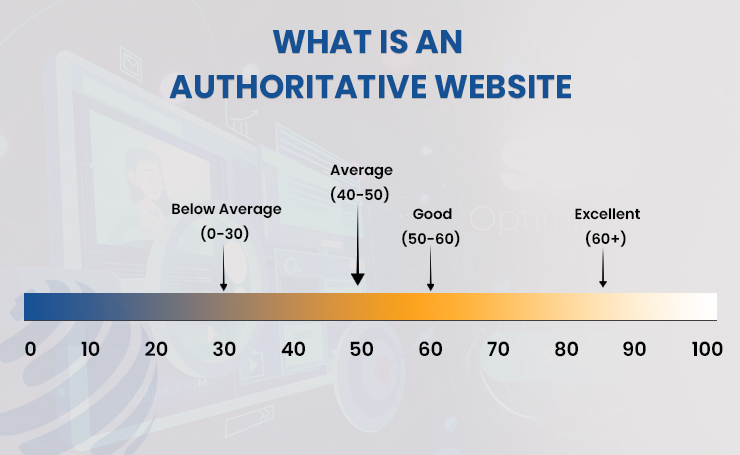
In a crowded niche, an authoritative websites is your unfair advantage: it attracts better leads, earns trust quickly, and turns casual visitors into booked appointments and loyal customers. In this article, you’ll learn how to build that kind of authority site step by step, and how to use it to generate, nurture, and convert B2B leads using content, design, analytics, and marketing automation.
What Makes a Website “Authoritative”?
An authoritative website is one that search engines and humans both trust. It consistently demonstrates expertise, reliability, and usefulness across its pages and touchpoints.
Key characteristics include:
-
Clear positioning and messaging that speak directly to a defined audience and their problems.
-
High-quality, original content that goes beyond surface-level tips and provides real insight and action steps.
-
Strong user experience and web design evaluation scores, such as fast load time, easy navigation, mobile responsiveness, and accessible structure.
-
Evidence of trust: case studies, testimonials, partnerships, and links from other authoritative websites.
-
Measurable performance through well-defined B2B website KPIs and traffic attribution practices.
In a competitive niche, authority is not a single asset; it’s the compound result of hundreds of small, consistent decisions across content, design, analytics, and lead management.
Defining Your Authority Strategy: Audience, Offer, and Buyer Journey
Before you obsess over blogger header dimensions or how to make a website with Canva, you need clarity on who you serve and how you help them.
-
Define your ideal audience
-
Be specific about industry, company size, and decision-maker roles.
-
Document their pain points, objections, and decision criteria at each stage of the buyer’s journey.
-
-
Map the three stages of the buyer’s journey
-
Awareness: they know the problem but not the solution.
-
Consideration: they compare solutions, vendors, and approaches.
-
Decision: they shortlist, evaluate risk, and negotiate details.
-
-
Align your lead flow process
-
Design a lead generation process flow chart that traces how a cold visitor becomes a customer: traffic source, content consumed, conversion point, nurture path, and sales handoff.
-
Define what is an unqualified lead and what counts as a mid funnel lead so your team knows who to nurture and who to disqualify.
-
When you build authority, you’re not just “publishing content”; you’re deliberately guiding people through these stages with content and experiences tailored to where they are.
Website Design Evaluation: Looking Like an Authority
A site that looks amateur immediately undermines your authority, no matter how good your insight is. That’s why web design analysis is just as important as keyword research in a crowded niche.
Key website design evaluation criteria include:
-
First impression and clarity: within 5 seconds, a visitor should know what you do, who it’s for, and why it’s different.
-
Visual hierarchy: headings, subheadings, and calls to action stand out, while supporting text remains easy to scan.
-
Navigation: clear menu labels, logical information architecture, and minimal friction to reach key pages (services, case studies, contact).
-
Trust elements: logos, testimonials, client quotes, and “as seen in” media mentions placed strategically.
-
Technical performance: page speed, mobile responsiveness, basic accessibility, and clean layout across devices.
If you use visual builders or want to make a website on Canva or similar tools, focus less on artistic flourishes and more on clean, consistent structure. Make sure your blogger header dimensions or blogspot banner size support clarity rather than overwhelm the page with a single oversized image.
To analyse website design effectively, run a simple checklist:
-
Can a new visitor tell what to do next?
-
Is there a clear appointment funnel or booking funnel for those ready to talk?
-
Are forms short, simple, and focused on the information truly needed?
-
Is the site free from distracting popups and conflicting calls to action?
The goal is not just beauty, but clarity and conversion.
Building Authoritative Content That Drives Action
Authority isn’t about publishing the most content; it’s about publishing the most useful content. Authoritative content demonstrates expertise, addresses real objections, and drives a specific next step.
To build authority:
-
Start with a blogging strategy for leads, not for pageviews. Every article should have a role in your lead flow process: attract, educate, nurture, or convert.
-
Use blogging best practice: strong headlines, clear intros, subheadings, short paragraphs, and a single primary call to action.
-
Address the “is content marketing dead” concern head-on by showing how depth, originality, and clear positioning still win in B2B.
-
Learn how to create original content by mixing your own data, stories, frameworks, and point of view with market research; avoid generic listicles.
-
Integrate content marketing vs email marketing thinking: your blog attracts and educates, while email nurtures and drives return visits.
A key question to ask before publishing is: how can you ensure your content drives action? Make sure each piece answers a pressing question, then offers a clear next step such as joining a webinar for beginners, downloading a checklist, or booking a consultation.
This is where the importance of authoritative content becomes obvious: in saturated niches, generic advice blends into noise, whereas deep, specific, and opinionated content stands out and gets shared.
Content Distribution, Email, and Lead Nurturing
Publishing is only half the game; the other half is distribution. To refine your content distribution strategy, you need a simple, repeatable system for getting your work in front of the right people.
Practical distribution and nurturing steps:
-
Repurpose every major article into email sequences, short posts, and webinar outlines to nurture prospects over time.
-
Use content vs email marketing planning: content for discovery, email for relationship building and decision support.
-
Build trigger-based automation flows for buyer leads: for example, if someone downloads a lead generation process flow chart, enroll them in a sequence tailored to mid funnel leads.
-
Track list growth rate as a key metric of your pipeline health; authoritative websites steadily grow their owned audience.
-
Use cold lead advertising sparingly to bring in top-of-funnel traffic, then rely on content and email nurture to warm them.
Lead nurturing measurement matters as much as volume. Watch which topics and formats drive replies, demo requests, or appointment bookings, and double down on those rather than chasing vanity traffic.
Marketing Automation: Advantages, Disadvantages, and Limits
As your audience grows, manual follow-up becomes impossible, and this is where the benefits of marketing automation software come in. The right tools help you scale nurturing without losing personalization.
Key features of marketing automation include:
-
Segmented email campaigns and behavior-based triggers.
-
Trigger-based automation flows for buyer leads based on page visits, downloads, and form submissions.
-
Lead scoring models that help differentiate mid funnel leads from unqualified leads.
-
Integration with CRM to support the broader B2B lead management process.
Advantages of marketing automation:
-
Consistent follow-up on every lead, even while your team sleeps.
-
Better insight into which content pieces move people from awareness to decision.
-
Support for complex appointment booking funnels, reminder sequences, and webinar promotion flows.
Disadvantages and limitations of automation in email marketing platforms:
-
Over-automation can make your communication feel robotic and reduce response rates.
-
Poorly designed sequences can overwhelm new subscribers and increase unsubscribes.
-
Tools cannot fix a broken message or weak offer; they only amplify what’s already there.
The real marketing automation advantages appear when you combine thoughtful strategy, clear segmentation, and high-quality content. Automation is a multiplier, not a magic wand.
Analytics, Traffic Attribution, and Website Activeness
Authoritative websites aren’t just visually appealing; they are meticulously measured. You need to know not only how much traffic you get but what kind and what it does.
Key Google Analytics metrics for B2B content include:
-
New vs returning users to assess website activeness over time.
-
Session depth and time on page for core articles and landing pages.
-
Conversion rates for lead magnets, contact forms, and appointment booking funnel steps.
-
Assisted conversions to understand the contribution of blog posts and resources.
Traffic source attribution and source traffic attribution help you see where your most valuable leads originate. Non attribution traffic can occur when tracking parameters are missing, pages are bookmarked, or certain privacy settings are in place, which is why UTM discipline matters.
For paid campaigns, maintain a clear Google Ads UTM parameters list and a simple UTM sheet to track campaigns, content themes, and offers. Learn how to bulk add UTM parameters to Google Ads so every click is traceable and you can accurately link revenue back to source campaigns.
Over time, this data shows which topics, formats, and channels reliably bring in customers, not just visitors.
Leveraging a Fractional CMO to Accelerate Authority
In a crowded niche, strategy mistakes are costly. This is where the benefits of a fractional chief marketing officer CMO become compelling for growing B2B companies.
Fractional CMO services benefits typically include:
-
High-level strategic guidance without the full-time executive salary.
-
Objective evaluation of your website design, content strategy, B2B website KPIs, and lead flow process.
-
Clear prioritization of initiatives, from blogging strategy for leads to webinar planning and marketing automation rollout.
-
Access to specialist partners and vendors to execute faster and better.
A fractional CMO can oversee your entire marketing ecosystem: from how to evaluate website design and analyse website design, to refining your content distribution strategy and deciding when to expand into new channels like webinars or advanced cold lead advertising. They can also define standards for what is an unqualified lead versus a sales-ready opportunity so your team focuses on the right conversations.
If you want to go deeper into this approach, guides from experienced firms such as CMOx explain how a part-time CMO aligns strategy, execution, and measurement for scaling businesses.
Practical Tactics: Design, Tools, and Campaigns
Authoritative websites don’t have to be built from scratch-coded templates; what matters is thoughtful implementation.
Some pragmatic tips:
-
If you’re asking “can I create a website using Canva” or “make a website with Canva,” remember these tools can handle landing pages and simple sites, but you still need proper web design evaluation and clear calls to action.
-
Use consistent blogger header dimensions or blogspot header dimensions across posts so your brand looks cohesive.
-
Run periodic web design analysis to check that new pages maintain your standards and that core elements like menus, forms, and CTAs remain consistent.
On the tooling side, selectively use AI tools for business analyst tasks, such as:
-
Clustering search queries into themes for your blogging strategy for leads.
-
Drafting outlines that you then rewrite in your own voice to ensure originality.
-
Analyzing UTM data exports to spot patterns in traffic attribution and campaign performance.
Always keep human judgment at the center. AI can help with initial drafts and data analysis, but you need a clear point of view and editorial standards to keep content truly differentiated.
Webinars, Appointments, and Turning Leads into Customers
Traffic and content only matter if they lead to conversations and revenue. That’s where webinars and appointment funnels come in.
Use webinars for beginners as a mid-funnel tool:
-
Teach a focused, actionable topic directly tied to your service offering.
-
Use the session to answer questions, address objections, and showcase case studies.
-
Follow up with targeted sequences to nurture prospects who attended but didn’t yet book.
For appointment funnels:
-
Present a clear offer (audit, strategy session, or consultation) tied to an obvious benefit.
-
Keep the booking process simple, mobile-friendly, and integrated with your calendar.
-
Use reminder and follow-up automation to reduce no-shows and keep exist customer relationships warm.
Lead management doesn’t end at the proposal stage. Continue to nurture your existing customer base with helpful content, product updates, and strategic insights so they remain engaged advocates, not just closed deals.
Content Moderation, User-Generated Content, and Brand Safety
As your authority grows, more people will talk about you or contribute content (reviews, comments, community posts). This can strengthen or damage your brand, depending on how you manage it.
That’s why content moderation is important for user generated campaigns and why content moderation is important for user-generated campaigns across channels:
-
It protects your audience from spam, scams, and offensive material.
-
It keeps discussions aligned with your brand values and legal standards.
-
It ensures that user-generated content genuinely supports your positioning instead of confusing it.
When you invite contributions—reviews, case stories, or community discussions—make your rules clear, respond consistently, and highlight the best examples in your authoritative content. This turns your audience into co-creators of your authority.
More Article: Web Design Analysis: How to Audit Your Site Like a Conversion Expert
Bringing It All Together
Building and leveraging authoritative websites in a crowded niche is not about any single tactic. It’s about how all the pieces work together: thoughtful design, original content, clear lead flow, smart automation, disciplined analytics, and strong strategic leadership.
Focus first on clarity of audience and offer. Then ensure your website passes a rigorous website design evaluation, supports a coherent blogging strategy for leads, and connects to a well-defined B2B lead management process. Layer in marketing automation carefully, track your traffic source attribution and list growth rate, and use webinars and appointment funnels to turn attention into revenue.
Do this consistently, and your site becomes more than a digital brochure—it becomes the central, trusted hub of your market, even in the noisiest, most crowded niche.