Trigger‑based automation flows are one of the most reliable ways to turn cold, mid‑funnel leads into sales‑ready opportunities without overwhelming your team. They let you respond in real time to what buyers actually do on your website and in your campaigns, so every touch feels timely, relevant, and helpful rather than spammy.
What Are Trigger‑Based Automation Flows for Buyer Leads?
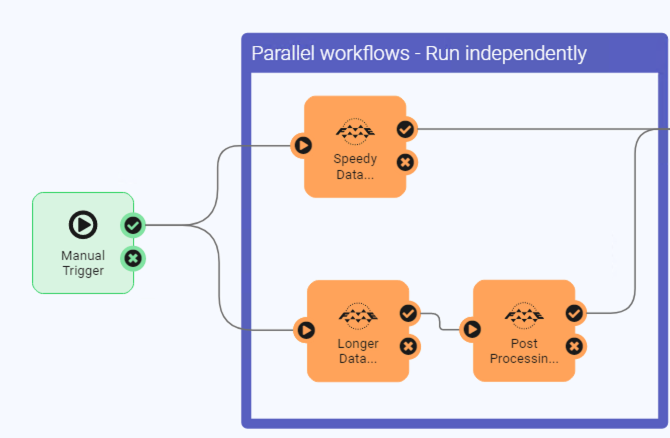
Trigger‑based automation flows are sequences of marketing and sales actions that start automatically when a specific event or condition occurs in your buyer’s journey. A “trigger” can be almost any measurable signal: a new lead form submission, a key page visit, an email click, a webinar registration, or even a change in a lead score.
Instead of manually following up with every contact, you define clear rules and let your marketing automation platform execute them. Automation handles repetitive tasks such as sending emails, updating fields, assigning owners, and moving leads between lifecycle stages, while your team focuses on high‑value conversations. When these flows are mapped to the three stages of the buyer’s journey (awareness, consideration, decision), they can dramatically improve lead nurturing and conversion.
Why Trigger‑Based Flows Matter for Mid‑Funnel Leads
Mid‑funnel leads are people who know your brand and problem space but are not yet ready to talk to sales. They may regularly consume content, subscribe to your blog, or attend a webinar, but they still need nurturing. A key goal here is to turn unqualified or lightly engaged contacts into marketing qualified leads by systematically educating them, answering objections, and offering clear next steps.
Trigger‑based automation is ideal for this because it reacts to actual engagement, not just a static timeline. For example, if a lead downloads a mid‑funnel guide and later returns to read a comparison article on your site, your system can automatically move them into a more advanced sequence and prompt an appointment booking funnel offer. This targeted approach keeps your list growth rate healthy while minimizing the number of disengaged or non‑attribution traffic contacts clogging your database.
Workflow 1: New B2B Lead → Nurture → Appointment Booking Funnel
This first flow turns a fresh B2B lead into a booked meeting by combining form triggers, email nurturing, and a simple booking funnel.
Trigger
-
A visitor fills out your primary lead generation form (e.g., “Download the B2B Lead Management Process Checklist”) on a mid‑funnel landing page.
-
UTM parameters or traffic source attribution tags show the source (for example, “Google Ads – cold lead advertising” versus “organic content marketing”).
Key Steps
-
Create or update the contact in your CRM with all captured fields, including UTM sheet values (source, medium, campaign, custom parameters 1 for extra detail).
-
Classify the lead as a new “mid‑funnel lead” and not yet sales‑ready.
-
Launch an email nurture sequence designed to:
-
Explain your lead generation process flow chart in simple terms.
-
Share authoritative content that answers “is content marketing dead?” with real data and examples.
-
Position your fractional CMO services benefits and benefits of marketing automation software as practical solutions.
-
-
Use trigger‑based automation flows for buyer leads to react to behavior inside the sequence:
-
If the lead clicks a “case study” link, increase their score.
-
If they view your pricing or “services” pages twice in 7 days, move them to a decision‑stage sub‑sequence.
-
Automation Rules
-
When a lead hits a certain score (for example, content engagement plus multiple website visits), automatically:
-
Send an email offering an appointment funnel: “Book a 20‑minute strategy session with our fractional CMO.”
-
Assign the lead to a sales rep.
-
Add them to a “lead flow process” task queue.
-
-
If they click the booking link but do not book within 48 hours, send a gentle reminder with one additional proof point (for example, a brief video or testimonial).
Metrics to Watch
-
B2B website KPIs: landing‑page conversion rate, mid‑funnel leads generated, appointment bookings from the sequence.
-
Google Analytics metrics for B2B content: scroll depth, time on key pages, assisted conversions from nurture emails.
-
List growth rate and the percentage of leads that progress from “new” to “sales‑accepted.”
This flow works because it respects the buyer’s journey, responds to their actual behavior, and uses trigger‑based automation to surface only the most engaged prospects to sales.
Workflow 2: Website Activeness Evaluation and Web Design Analysis Flow
Your website is often the first serious testing ground for buyer intent. A second powerful flow evaluates website activeness and design engagement, then adapts communication accordingly.
Trigger
-
A lead visits your site multiple times within a short window (for example, three sessions in seven days).
-
They spend significant time on strategic pages (web design evaluation, “services,” “pricing,” or “case studies”).
Website Activeness Evaluation Criteria
You can define website activeness evaluation criteria such as:
-
Session frequency (number of sessions in a defined period).
-
Page depth (how many pages per session).
-
On‑page engagement on key pages like “how to evaluate website design” or “how to analyze a website design.”
-
Micro‑conversions: clicking CTAs, downloading PDFs, starting a booking funnel, using a comparison tool.
Once a contact meets these criteria, the automation categorizes them as “highly active” and shifts them into a more personalized nurture path.
Flow Actions
-
Send a tailored email acknowledging their interest:
-
Offer a brief web design analysis or an evaluation of website design tips.
-
Provide a guide on how to evaluate a website design or analyse website design independently.
-
-
Tag the contact with “web design interest” if they regularly visit web design evaluation content.
-
Invite them to a webinar for beginners on “How to Evaluate a Website Design and Turn Visitors into Leads.”
Real‑World Example Action Chain
-
Trigger: Three visits to “how to evaluate a website design” in 10 days.
-
Immediate action: Send an email with a checklist and an invitation to a live webinar.
-
Secondary action: If they register, move them from “web design interest” to “high‑intent design and conversion optimization interest.”
By tying website activeness to targeted education and offers, this flow transforms generic traffic into qualified, nurture‑ready opportunities.
Workflow 3: Webinar Registration and Nurture Prospects Flow
Webinars are a classic mid‑funnel asset. A trigger‑based flow here can do far more than just send reminders; it can become the backbone of your B2B lead management process.
Trigger
-
A lead registers for your webinar on “Trigger‑Based Automation Flows for Buyer Leads: Real‑World Workflow Examples.”
-
UTM parameters or google ads utm parameters list values are captured from the registration URL.
Pre‑Webinar Automation
-
Send a confirmation email with calendar invite and clear expectations (who it’s for, what they’ll learn, how to plan a webinar follow‑up internally).
-
Schedule a reminder series: 24 hours before, 1 hour before, and 10 minutes before the session starts.
-
Share pre‑read content:
-
A short article on the advantages and disadvantages of marketing automation.
-
A visual lead generation process flow chart.
-
Post‑Webinar Segmentation
The real value comes after the webinar:
-
Attended live and stayed for most of the session:
-
Tag as “high‑engagement webinar attendee.”
-
Send a follow‑up email with slides, a recording, and a CTA to book a strategy call.
-
-
Registered but did not attend:
-
Tag as “no‑show.”
-
Send recording and a short recap, with a softer CTA (for example, a guide or template).
-
Nurture and Lead Status
-
Update lead status: move highly engaged attendees closer to “sales‑qualified.”
-
For those who click your “book a call” link but do not complete the booking funnel, trigger a short three‑email reminder and objection‑handling sequence.
-
Track lead nurturing measurement with simple metrics: webinar registration rate, attendance rate, meeting‑booking rate, webinar‑influenced revenue.
This flow not only nurtures prospects but also identifies those most ready for a deeper conversation, keeping your pipeline focused and efficient.
Workflow 4: Content vs Email Marketing Engagement Flow
A common question is “content marketing vs email marketing – which actually drives leads?” The truth is that the two complement each other, especially when you map them into trigger‑based workflows.
Trigger
-
A lead becomes highly engaged with either your blog or your email sequences, but not both. For example:
-
They read multiple blog posts on blogging strategy for leads and blogging best practices.
-
Or they consistently open emails but rarely click through to your site.
-
Flow Logic
-
If a lead reads multiple posts on “how to create original content,” “blogging strategy for leads,” and “blogging best practice,” trigger an email mini‑course that summarizes and deepens those ideas.
-
If a lead mostly interacts with email, send an offer to follow your blog or subscribe to a specific topic feed.
-
If engagement is high in both content and email, automatically elevate the lead into a more advanced nurture track that offers:
-
An in‑depth guide on how can you ensure your content drives action.
-
A session on how can you refine your content distribution strategy.
-
Why This Matters
Content alone can attract traffic, but without email, it is hard to nurture prospects and measure list growth rate accurately. Email alone can feel intrusive without the context and value that authoritative content provides. Through automation, you align content marketing vs email marketing into a single, coordinated lead flow process that captures both behavior streams.
Marketing Automation: Advantages, Limits, and Real Benefits
Trigger‑based automation flows rely on a solid marketing automation platform, but it is important to be clear‑eyed about benefits and trade‑offs.
Key Advantages of Marketing Automation
-
Consistency: Trigger‑based automation ensures every mid‑funnel lead gets a baseline experience, from cold lead advertising clicks to warm webinar attendees.
-
Scale: Features of marketing automation such as dynamic segmentation, lead scoring, and trigger logic let you nurture thousands of contacts without manually touching each one.
-
Measurement: You can tie campaigns to traffic attribution, source traffic attribution, and specific goals in your analytics stack.
These advantages of marketing automation or marketing automation advantages explain why many B2B teams see it as a core part of modern demand generation.
Disadvantages and Limitations
-
Over‑automation risk: It is easy to rely too heavily on automation and ignore context, resulting in generic or irrelevant campaigns.
-
Limitations of automation in email marketing platforms: Many tools still struggle with nuanced personalization, dynamic content at scale, or true cross‑channel triggers.
-
Complexity: Building too many disconnected flows can confuse the lead flow process and create unqualified leads with conflicting statuses.
Understanding both the pros and cons of marketing automation keeps your strategy grounded and ensures you only automate what truly benefits the buyer.
Using Authority and Fractional CMO Expertise to Strengthen Flows
Trigger‑based flows become more effective when the content inside them is genuinely authoritative and strategically coherent. This is where a fractional CMO can add significant value.
Benefits of a Fractional Chief Marketing Officer
A fractional CMO provides executive‑level strategy, leadership, and accountability at a fraction of the cost of a full‑time CMO, making them particularly attractive for growth‑stage B2B companies. They typically own your overall marketing roadmap, ensure your campaigns align with revenue goals, and oversee how automation, content, and analytics work together.
Fractional CMO services benefits include:
-
Defining a clear B2B lead management process and lead generation process flow chart.
-
Setting the right B2B website KPIs and google analytics metrics for B2B content to measure real impact.
-
Ensuring your automation, content, and traffic source attribution practices support long‑term revenue rather than vanity metrics.
For a deeper breakdown of these benefits, you can review this in‑depth guide from CMOx, a respected provider of fractional CMO services: https://cmox.co/what-is-a-fractional-cmo/.
Building Authoritative Content
Authoritative content is not just long or keyword‑rich; it is accurate, well‑researched, and supported by credible authoritative websites. It answers specific questions (for example, “what is an unqualified lead” or “what is non attribution traffic”) in a way that is practically useful, using examples and simple frameworks.
To build the importance of authoritative content into your flows:
-
Use expert‑backed definitions and examples in all nurture emails.
-
Reference or link to recognized authoritative websites sparingly but strategically to support your claims.
-
Answer “why build authoritative content?” by measuring how it impacts lead quality, time on page, and assisted conversions across your appointment booking funnel.
Practical Tips: Design, UTMs, and AI Tools
Finally, a few practical details often overlooked in trigger‑based automation design can directly affect performance.
Website and Blog Design Details
-
Header and banner sizes: While exact blogger header dimensions, blogspot header dimensions, or blogspot banner size will vary by theme, aim for clean, fast‑loading images that do not push key CTAs below the fold.
-
Clarity of CTAs: On both a blog and landing pages, make sure the primary CTA (for example, “book a demo,” “download the checklist”) is visually prominent and consistent.
-
Make a website with Canva: If you are just starting, you may wonder “can I create a website using Canva?” or “make a website on Canva.” You can design layouts and simple pages there, but for B2B lead flows, ensure fast loading times, mobile responsiveness, and simple forms so your automation can trigger reliably.
UTM Management and Traffic Attribution
-
Always use a structured google ads utm parameters list and a shared UTM sheet to keep naming consistent.
-
For large campaigns, explore how to bulk add utm parameters to google ads, then sync those values into your CRM so that each trigger‑based automation flow knows the true traffic source.
-
Watch for non attribution traffic: visits or conversions not clearly tied to a known source. Reduce this by enforcing UTM usage across all paid and partner channels.
More Article: Can I Create a Website Using Canva? Pros, Cons, and Workarounds
AI Tools for Business Analysts and Marketers
-
AI tools for business analyst roles can help analyze large datasets from your automation platform, uncovering which triggers and flows produce the best mid‑funnel leads.
-
Use them to refine lead scoring, identify patterns in unqualified leads versus high‑value deals, and test hypotheses about which pieces of authoritative content best nurture prospects.
The key is to keep AI in a supporting role: it should enhance human strategy, not replace it. Your team still decides how can you ensure your content drives action and how can you refine your content distribution strategy; AI simply provides faster insight.